Wedding Video Editing: What the Film Needs
Wedding video editing turns chaotic guest camcorder tapes into a coherent film with a clear through-line, intelligible speeches, and licensed music. Learn what must happen in the edit and what to give your editor.
In this article
- What Raw Guest Camcorder Footage Actually Looks Like
- Building a Through-Line That Feels Like Your Actual Day
- Ruthlessly Cutting What Doesn't Serve the Story
- Making Speeches and Toasts Fully Intelligible
- Choosing Music You Can Actually License
- What to Give a Wedding Editor
- How Multiple Cameras Become One Cohesive Film
- Why We Deliver a Finished Film Instead of Raw Tapes
- Making Your Film Last for Decades
- Common Questions About Wedding Video Editing
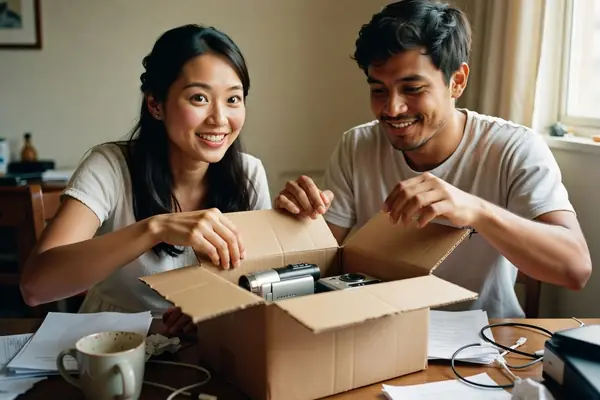
Raw guest tapes are rarely watchable. They land as a jumble of blurry first dances, toasts recorded from the back of the room, and long stretches of the same dance floor. Wedding video editing is the craft of carving a story out of that chaos: one that follows your actual day instead of forcing a template. The final film must have a clear through-line, every unusable clip removed, speeches you can actually understand, and music that can be properly licensed. Anything less and the footage stays unwatched on a hard drive.
What Raw Guest Camcorder Footage Actually Looks Like
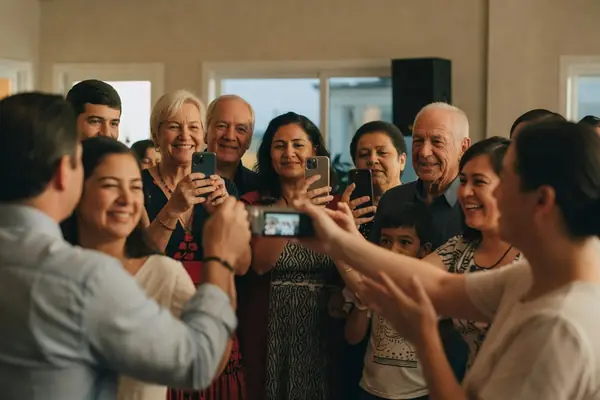
Most couples underestimate how much work the tapes need. Raw guest camcorder footage often arrives as multiple angles of the same moments, wind-ruined audio, guests filming their own shoes, and overlapping conversations during toasts. According to the The Knot 2026 Real Weddings Study of 10,474 US couples married in 2025, the average wedding has 117 guests and costs $34,000. That many people with a camcorder creates volume, but not necessarily usable footage. The average professional videographer costs $2,300, yet many couples now blend guest cams with or without a pro crew.
Vogue has noted that Gen Z and younger millennials are turning away from hyper-produced slow-motion videos and toward authentic footage. In our view this shift favors real reactions over polished perfection. That authenticity only reaches the screen after serious editing. Without it, the clips stay raw and eventually forgotten. Editors focus on selecting the most revealing moments and weaving them together so the final film feels like an honest reflection of the celebration.
Building a Through-Line That Feels Like Your Actual Day
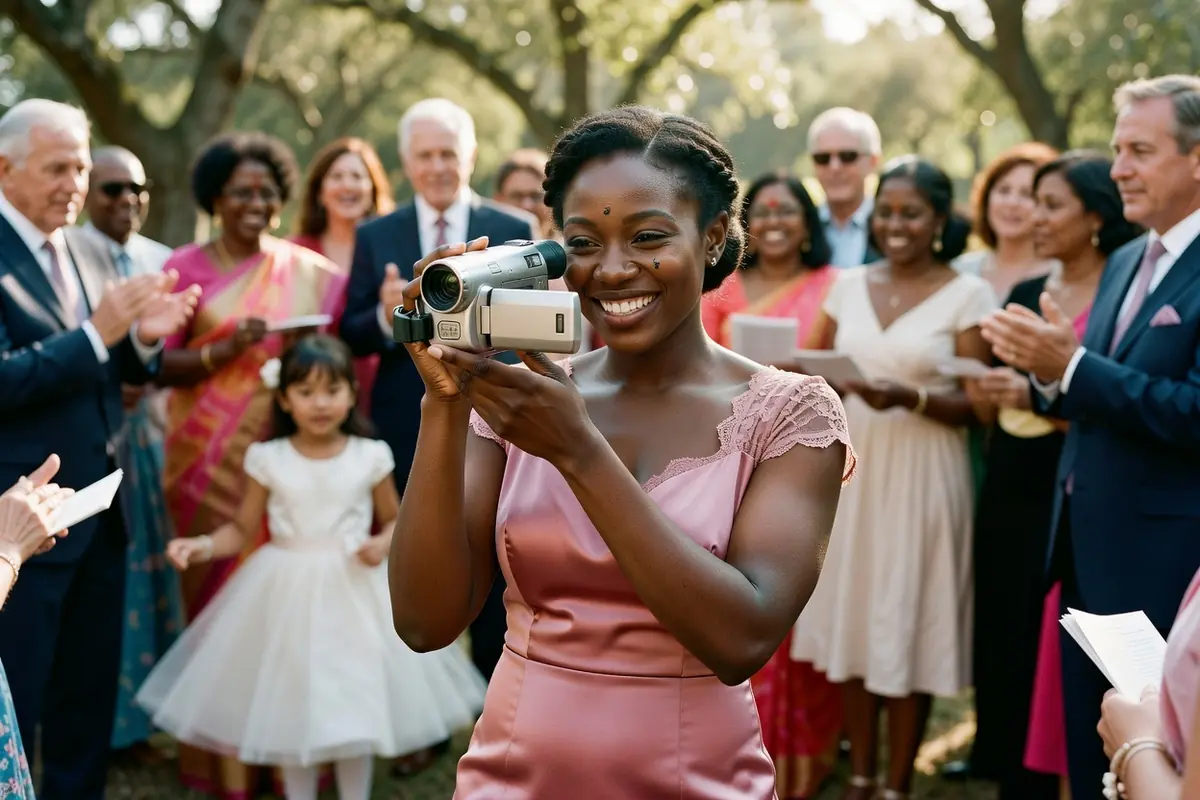
A finished wedding film is not a greatest-hits reel dropped in random order. It needs a narrative spine: the emotional arc of your specific celebration. The editor watches every minute of tape, then maps the day from morning nerves through vows, toasts, dances, and farewell. The through-line connects these pieces so a viewer who was not there still feels the progression. This is the difference between here are some nice clips and a film that feels like reliving the weekend. For more on capturing those key moments, see our shot list. For example, a quiet getting-ready clip of the groom reading a note from his partner can connect forward to the vows, then later to a toast that references the same note. Use this decision rule: each segment should either show new emotion, advance the timeline, or reveal character.
Scrub the timeline
The Through-Line of a Strong Wedding Film
- Opening Morning Energy
Getting-ready clips from both sides that establish personalities and anticipation. Select the warm, human moments over the repetitive ones. For example, keep the parent helping fasten a necklace but cut the fifth mirror selfie.
- Core Ceremony Heart
Vows, rings, and reactions filmed from multiple guest angles. The edit weaves the best audio with the clearest visuals to preserve the emotion. One strong reaction shot from any camera can carry the emotional peak.
- Transition Reception Flow
Cocktail hour interviews, toasts, and first dances. Create smooth shifts that feel like one evolving party rather than disconnected clips. A quick cut from a laughing interview to the first dance maintains momentum.
- Peak Celebration Highlights
Speeches, cake, dancing. The edit finds the funniest or sweetest guest reactions and ties them to the couple's story. For instance, cut to a parent's tearful face right after a heartfelt line in a toast.
- Close Farewell Feeling
Late-night candids or quiet moments that bookend the day with the same warmth it began. A final quiet clip of the couple leaving can mirror the morning anticipation.
Ruthlessly Cutting What Doesn't Serve the Story
Editing is as much about removal as selection. Unusable clips get cut: footage too dark to identify faces, audio completely overpowered by band volume, redundant angles of the same toast, or long stretches where the camera points at the ceiling. Nothing should be kept simply because it exists. A practical decision rule is to ask: does this clip advance the emotional through-line or reveal something true about the day? If the answer is no, it belongs on the cutting room floor. For example, if three cameras recorded the same dance-floor moment, keep only the angle with the clearest audio and strongest couple reaction. This prevents the finished film from feeling like a surveillance tape. Balance pace so quiet emotional exchanges receive enough time to land while high-energy dance floor moments keep their energy.
Making Speeches and Toasts Fully Intelligible
This is one of the hardest and most important parts of wedding video editing. Guest microphones rarely capture clean audio when a full room of guests are talking, clinking glasses, or when a band starts early. Editors clean levels, reduce background noise where possible, and sometimes layer the best audio takes from multiple cameras. This might involve aligning the video from one camera with the clearer audio from another. For example, if the best sound comes from a camcorder placed near the speaker but the visual is shaky, sync it with a steadier wide shot from across the room. The result should be speeches you can understand without straining. Clear audio turns good toasts into lasting keepsakes instead of mumbled background noise. To improve source material, assign someone to hold the camcorder steady and close to the speaker. For full details on the process see our FAQ.
Choosing Music You Can Actually License
Popular songs carry licensing realities. Editors only use tracks they have rights to include so the film stays watchable on every platform years from now. This often means finding lesser-known songs that still perfectly match the mood of your day. In our view the right track supports the through-line instead of overpowering it. For full details on how music is handled, see our FAQ.
Drag to compare
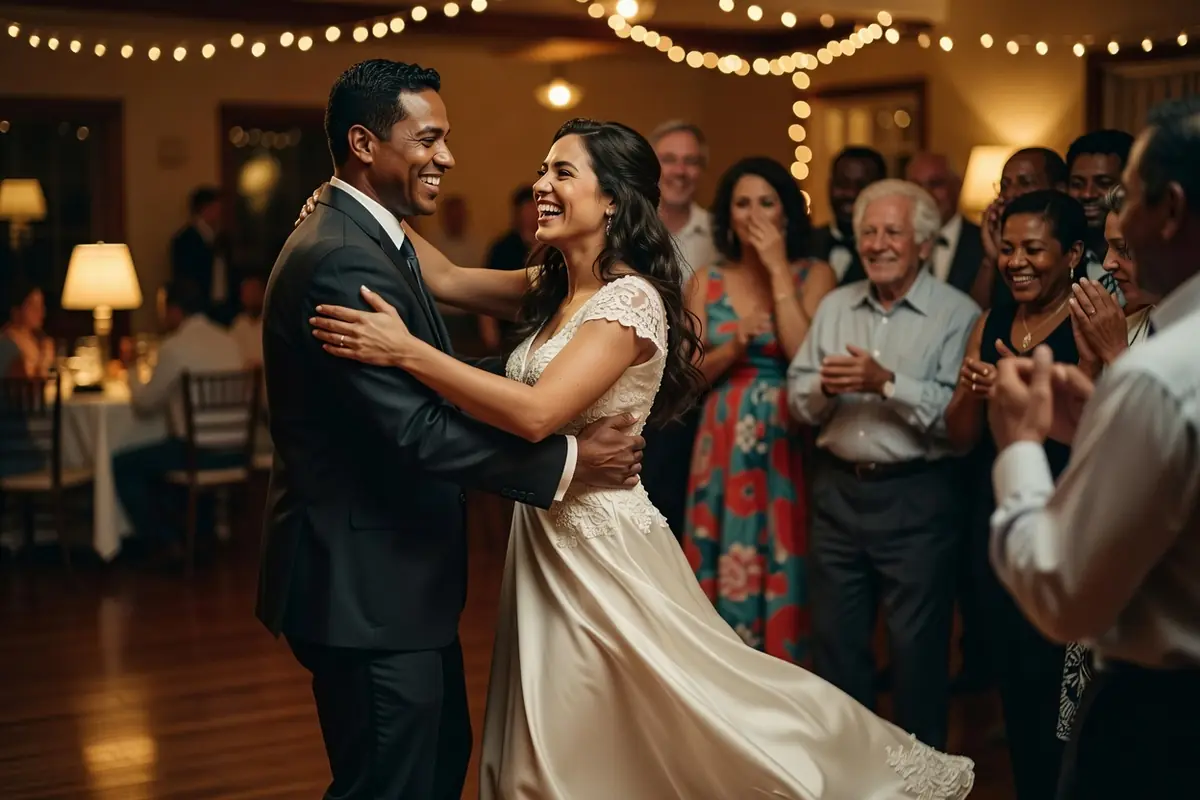
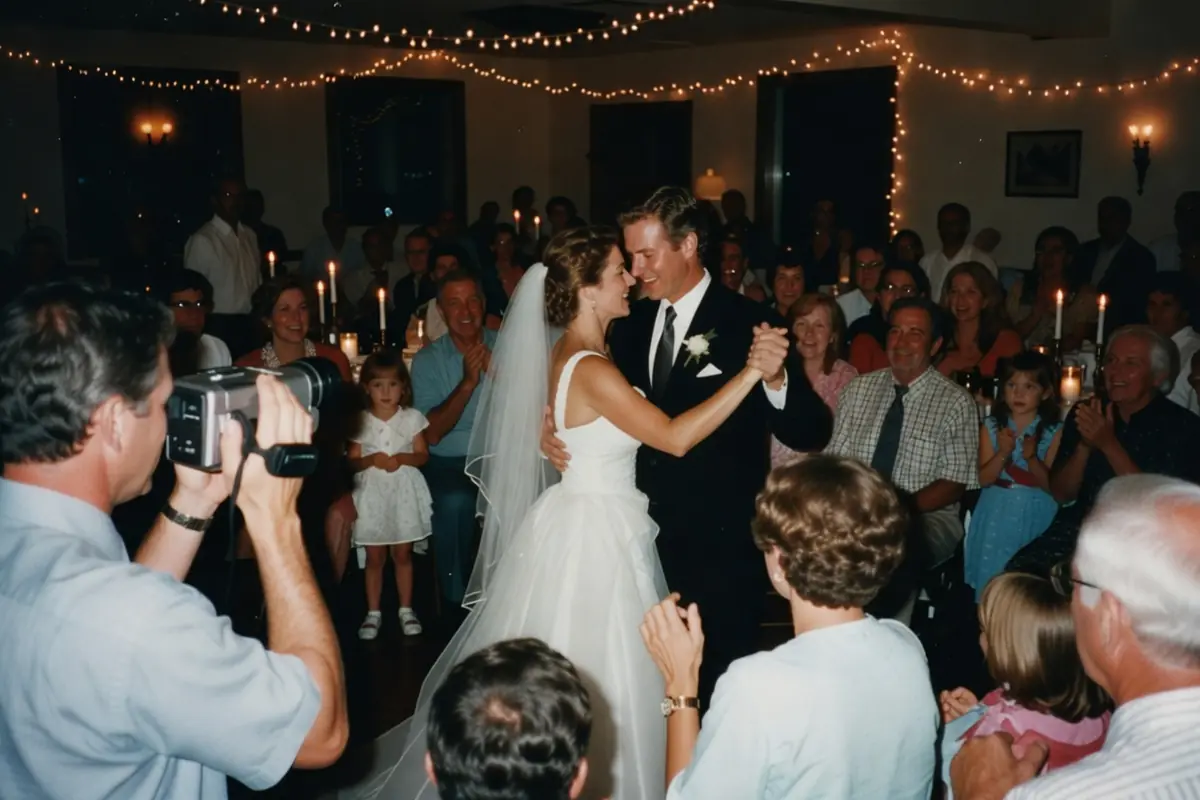
Raw Guest Footage vs. Edited Film
What to Give a Wedding Editor
The quality of the finished film improves when couples provide clear direction. Tell your editor the must-include moments, the tone you want, any inside jokes from speeches that need context, and songs that mean something to you. Packages start at $449. For comparison, Wedding Weekender's core package lists at $729. Tips from founder Anne Marie Carroll include assigning a few wedding-party members to capture specific moments, picking an outgoing bridesmaid or groomsman to interview guests at cocktail hour, and leaving the camcorder near the guest book for video messages. Source: CNBC, Apr 22 2026.
Checklist · saves on this device
Checklist: What to Give Your Wedding Video Editor
How Multiple Cameras Become One Cohesive Film
When couples add extra camcorders, the editor's job multiplies. Different angles must be synchronized, the best audio chosen for each moment, and the story kept consistent. The edit cuts between perspectives without jarring the viewer. This approach appears in our /compare and /how-it-works pages. For example, switch from a wide ceremony shot on one camera to a tight emotional reaction on another at the exact moment the couple kisses. The result feels like one thoughtful film rather than a patchwork. Editors pay close attention to consistent color and tone across all sources so shifts in perspective feel seamless. They also select the strongest emotional reactions from any camera to build a unified story that captures the full scope of the day.
| Common Footage Problem | How Editing Solves It |
|---|---|
| Muffled or overlapping toast audio | Select clearest mic source, reduce ambient noise, sometimes add subtle subtitles for key lines |
| Shaky or poorly framed clips | Stabilize where possible, crop to improve composition, cut to shorter impactful segments |
| Duplicate angles of same moment | Choose the version with best light, emotion, or audio and cut the rest |
| Inconsistent color between cameras | Grade all footage to match so the film feels unified |
| Missing context for jokes or stories | Editor uses other clips to establish setup before the punchline |
Why We Deliver a Finished Film Instead of Raw Tapes
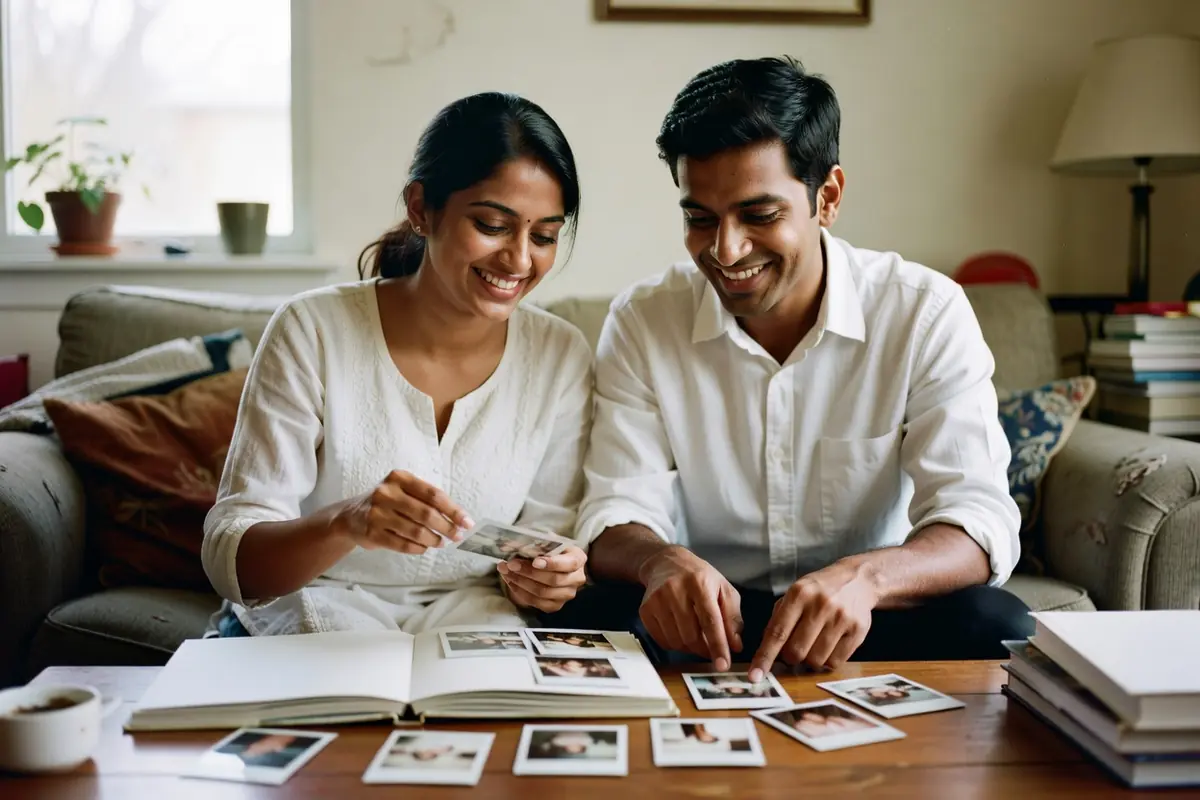
Handing back unedited hours of footage sounds easy until nobody ever watches it. A finished film is the version you will actually pull up on anniversaries, show future kids, or send to parents. It captures the spirit of your day without the boring parts. The Keepsake package includes everything needed to capture, print, and edit your story. For more on the process, visit our how it works page.
A great edit does not add fake drama. It reveals the drama that already happened.
Making Your Film Last for Decades
Once the edit is complete, think about preservation. Download multiple copies, store them in different locations, and consider physical backups such as an external hard drive kept at a family member's house. Label your files clearly with names and date. Use reliable cloud services as well as external drives. One practical habit is creating a family tradition of watching the film together each anniversary. These small habits turn the edited film from a file into a living family heirloom. For more on the full process, visit our how it works page and FAQ.
Common Questions About Wedding Video Editing
Couples often wonder how much direction they should give, whether they need to edit anything themselves (you do not), and how guest footage compares to professional. The key is preparation before the wedding, such as assigning clear roles to guests, and trust in the editing process afterward. Linking your footage with the right guidance produces the best outcome.
Questions couples ask
What does wedding video editing involve with guest camcorder tapes?
How are speeches made intelligible in the final wedding film?
What kind of music can be used in an edited wedding film?
Do I need to edit the guest footage myself?
What should I provide to get the best edited wedding film?
How does guest-filmed footage compare to professional videography after editing?
Keep reading