Use a Camcorder Alongside Your Videographer
Learn how a wedding camcorder and videographer work together for polished pros and raw guest texture in one hybrid film. Get handoff rules, assignments, shot lists and costs. Our Keepsake package starts at $449.
In this article
- Why Pair a Wedding Camcorder and Videographer
- What Second Texture Looks Like in the Final Film
- Handoff Rules So Guests and Pros Don't Clash
- Assigning the Camcorder Without Creating Chaos
- What the Camcorder Should (and Shouldn't) Capture
- The Full Kit: Camcorder, Instant Camera, and Album
- Real Costs: What You're Actually Spending
- Editing Both Sources Into One Film
- Is This Approach Right for Your Wedding?
Booking a wedding videographer takes a significant part of many budgets. The average cost is $2,300 according to The Knot's 2026 Real Weddings Study of 10,474 couples. The camcorder trend is growing, with one business bringing in $1.7M in sales in a year per CNBC. Adding a camcorder when you already have a pro is not redundant. In our view, the combination creates a hybrid wedding film that feels both polished and authentic. Vogue noted that some couples add camcorders alongside a full media team for the raw texture that hyper-produced edits often miss.
Why Pair a Wedding Camcorder and Videographer
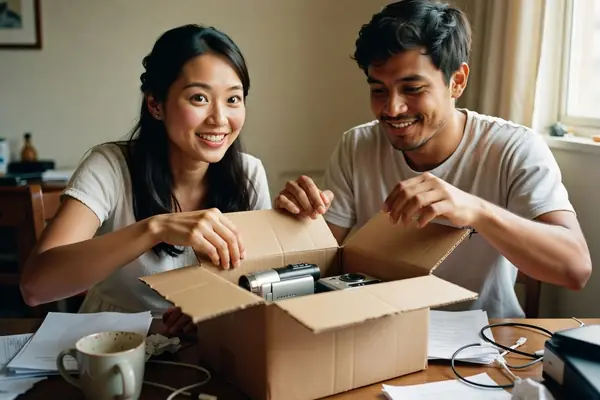
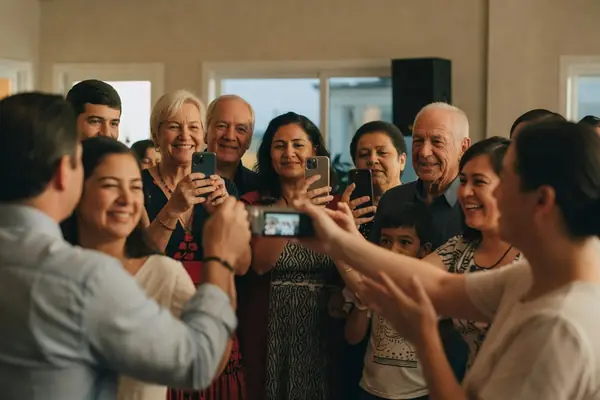
Vogue's article "Why Wedding Camcorders Are Suddenly Everywhere" explains that Gen Z and younger millennial couples dislike slow motion and overly polished looks. Some skip videography. Others add camcorders to their media team. The videographer captures steady, well composed, clear audio moments. The camcorder passed hand to hand among guests captures the imperfect, energetic clips that feel like your actual day. One layer is cinematic. The other is like 90s home movies. They complement instead of competing. The pro shots build the story while guest clips add spontaneous moments like a zoomed-in silly dance move or an unexpected hug between cousins.
What Second Texture Looks Like in the Final Film
The videographer's edit includes smooth ceremony footage, creative first dance angles, and clean toasts. Camcorder clips add your uncle's unscripted joke from the third row, the chaotic conga line filmed from inside the crowd, or a quiet moment of your mom fixing your veil. Pro footage provides structure. Camcorder footage adds soul. For example, during cocktail hour an outgoing bridesmaid can interview guests. She can ask "What is your best memory with the couple so far?" or "What advice would you give for a long and happy marriage?" This follows CNBC tips from Wedding Weekender founder Anne Marie Carroll: assign specific moments to a few wedding party members, pick an outgoing bridesmaid or groomsman to interview at cocktail hour, and leave the camcorder near the guest book for video messages. The final film switches between the two textures. For more on creating this style see /how-it-works.
Drag to compare
Phone vs Camcorder Texture


Handoff Rules So Guests and Pros Don't Clash
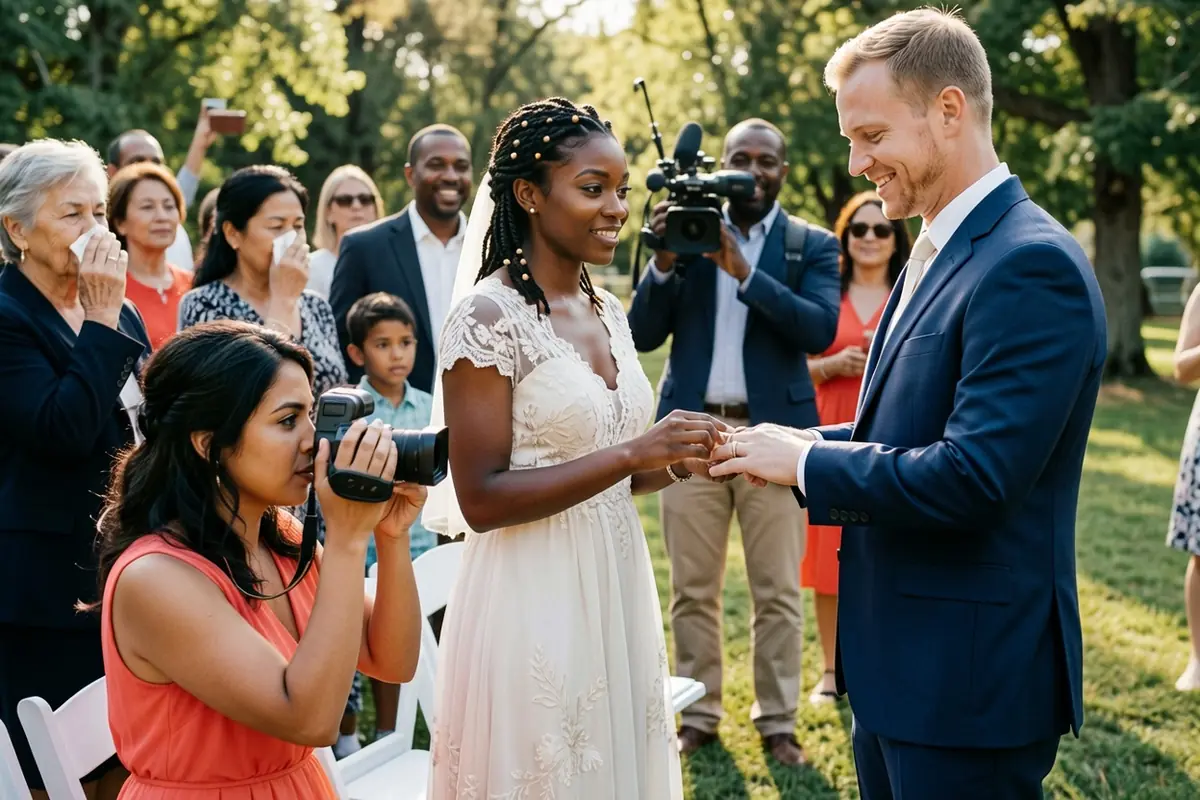
A common concern is that guests with a camcorder will crowd the videographer. Clear rules prevent clashes. The professional owns primary coverage of the processional, vows, officiant shots, and main dance floor angles. Guests with the camcorder stay in seats or to the sides for reaction shots and different perspectives. During dinner and cocktail hour the camcorder can move freely for candids. Print the rules and review them with your videographer and wedding party in advance. Consider your venue layout to set realistic boundaries. See /how-it-works for more on staying helpful instead of intrusive.
Tap a card
Handoff Rules at a Glance
Assigning the Camcorder Without Creating Chaos
Select a few reliable people ahead of time instead of handing it off randomly. Choose one for getting ready footage, one for ceremony reactions, and one for reception. Provide each with a short list of priorities. This follows CNBC advice from Anne Marie Carroll to assign specific moments to wedding party members. For example, the getting ready operator can record the moment the dress is zipped or the boutonniere is pinned. The ceremony operator can film wide audience reactions when the couple kisses. The reception operator can circulate and ask guests questions like "What is one thing the couple taught you about love?" Consider who will be in the best position for each part of the day and who enjoys that role. The /shot-list page provides examples you can adapt. The goal is useful footage without overlapping the videographer's key shots.
What the Camcorder Should (and Shouldn't) Capture
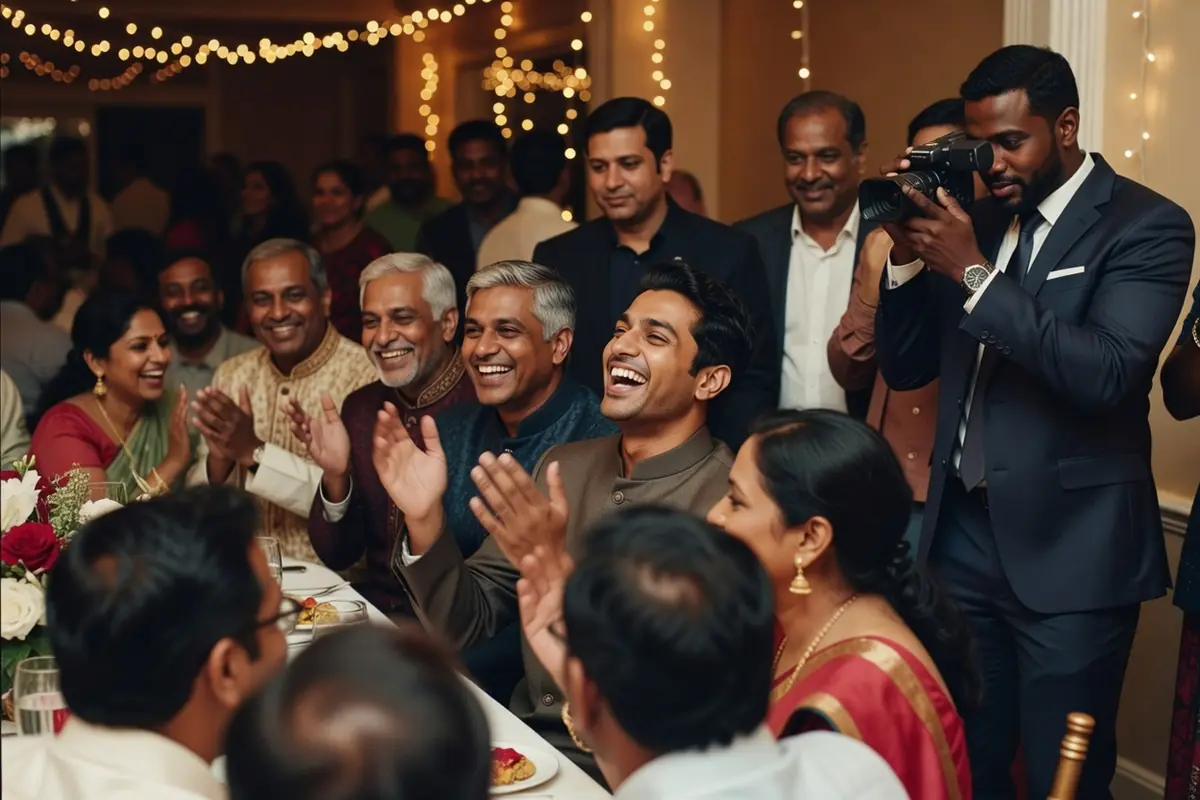
Direct the camcorder toward genuine reactions during the ceremony, unfiltered getting ready scenes, dinner table conversations, and dancing later in the evening. Do not try to capture perfect audio of the vows or occupy the same spots as the videographer. These looser moments suit a compact camcorder because operators can move with the action. For example, instead of filming the cake cutting from the front, film the children's faces as they watch from their chairs. Or record the quiet conversations at the ends of tables that the main camera cannot reach. Operators should hold it steady when possible but the natural shake adds to the home movie charm. You can add extra camcorders for additional angles. See /compare for details.
The Full Kit: Camcorder, Instant Camera, and Album
Packages start at $449 for the Keepsake. Every package includes the camcorder, the Instax Mini instant camera (with film) and the photo album together in one box shipped to your door (charged batteries, memory card). The couple keeps the photo album and every instant print. Both cameras (camcorder and Instax) go back in that same box with the prepaid return label. We edit the footage into a finished wedding film. You can add extra camcorders. A $100 deposit holds a date. The instant camera lets guests create physical memories that can be added to the album with notes on the back. See /how-it-works and /packages.
Checklist · saves on this device
Camcorder and Videographer Coordination Checklist
Real Costs: What You're Actually Spending
The average wedding costs $34,000 and videography is one part of that total. Packages start at $449. For comparison, Wedding Weekender's core package is $729 while the deluxe is $989. Their top package lists at $1,249. Their packages do not include an instant camera. A $100 deposit holds your date. In our view the hybrid approach offers good replay value. Read the full comparison at /compare.
Editing Both Sources Into One Film
After the wedding the camcorder returns and the best clips from it are edited together with the professional footage into one finished wedding film. The videographer's work forms the backbone. The camcorder adds the personality and spontaneous moments. The edit can switch between the two styles. Focus on the emotional camcorder clips like real laughter or touching conversations. For example, a guest's shaky recording of a heartfelt speech reaction can bring back the feeling of being there. This adds warmth. See /how-it-works for more on the process.

Is This Approach Right for Your Wedding?
This approach suits couples who want both professional coverage and guest perspectives. It works for small weddings or large ones. Decision rule: assign one operator to avoid gaps in coverage. Check that your venue allows easy movement between tables for candid filming. The instant prints often spark conversations when guests add notes to them. Review /how-it-works early. Place a $100 deposit to hold your date while you confirm other vendors.
Questions couples ask
Will guests with a camcorder get in the videographer's way?
How is this different from just asking guests to use their phones?
Do you edit the camcorder footage with the professional video?
Can I use more than one camcorder?
What if my videographer doesn't like the idea of guest cameras?
Keep reading