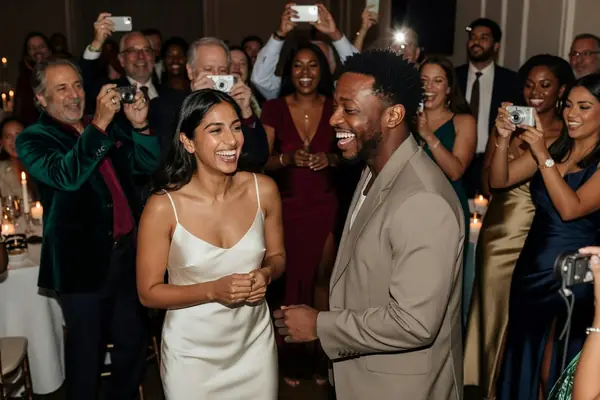
Retro Wedding Video vs Cinematic Slow-Mo
Retro vs cinematic wedding video: home-video grain and real laughs versus polished slow-motion drama. We show which moments each style serves best with a before-after slider, real costs, and practical tips. No winner, just the right fit for your day.
In this article
- Why This Retro vs Cinematic Wedding Video Debate Is Everywhere Right Now
- What Retro and Cinematic Styles Actually Look Like
- Moments That Shine in Retro Home-Video Texture
- When Cinematic Slow Motion Serves the Story Best
- Head-to-Head: Retro vs Cinematic Wedding Video
- Practical Tips for Capturing Strong Retro Footage
- Blending Retro and Cinematic Without Creating Chaos
- Budget Realities and Where Video Fits
- Choosing the Right Look for Your Actual Day
- Final Thought: Texture Over Trends
After Vogue declared wedding camcorders the sudden trend (https://www.vogue.com/article/wedding-camcorders-trend), couples are asking whether they want their wedding film to feel like the shaky, grainy home videos their parents shot in the 90s, or the slow-motion cinematic masterpiece everyone puts on Instagram. In our view the best approach depends on which moments you want to remember and how you want to feel when you watch them ten years from now.
Why This Retro vs Cinematic Wedding Video Debate Is Everywhere Right Now
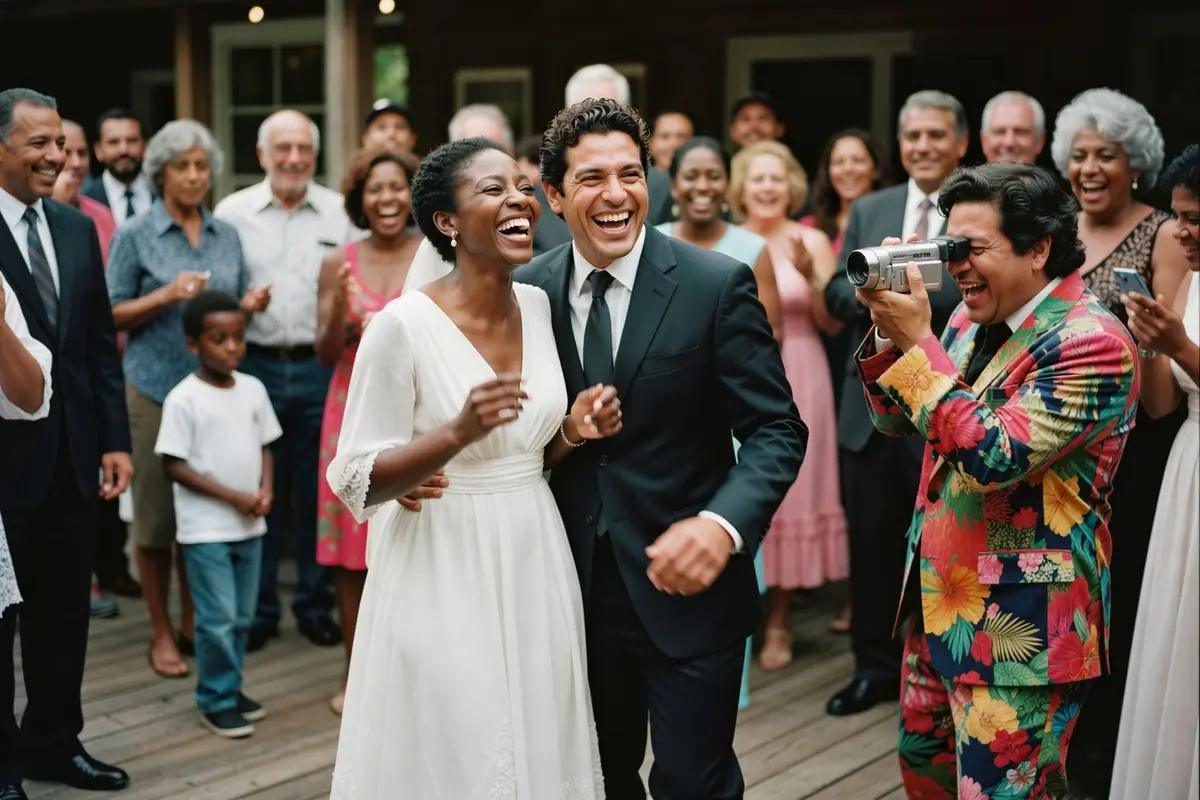
Gen Z and younger millennial couples are turning away from hyper-produced slow-motion films. Some still hire a full videography team but add a camcorder for raw footage. Others skip traditional videography entirely and lean on friends with camcorders. The result is a wave of wedding videos that look more like the tapes your family rewound until they broke than anything out of a highlight reel.
Cinematic slow-mo turns a first dance into a music video. Retro camcorder footage turns a cocktail hour conversation into something that feels like real life. Neither is universally better. A good rule is to use the texture that matches the emotion of the moment. Grainy, imperfect video often wins for unscripted laughs. Smooth slow motion often wins for vows and exits.
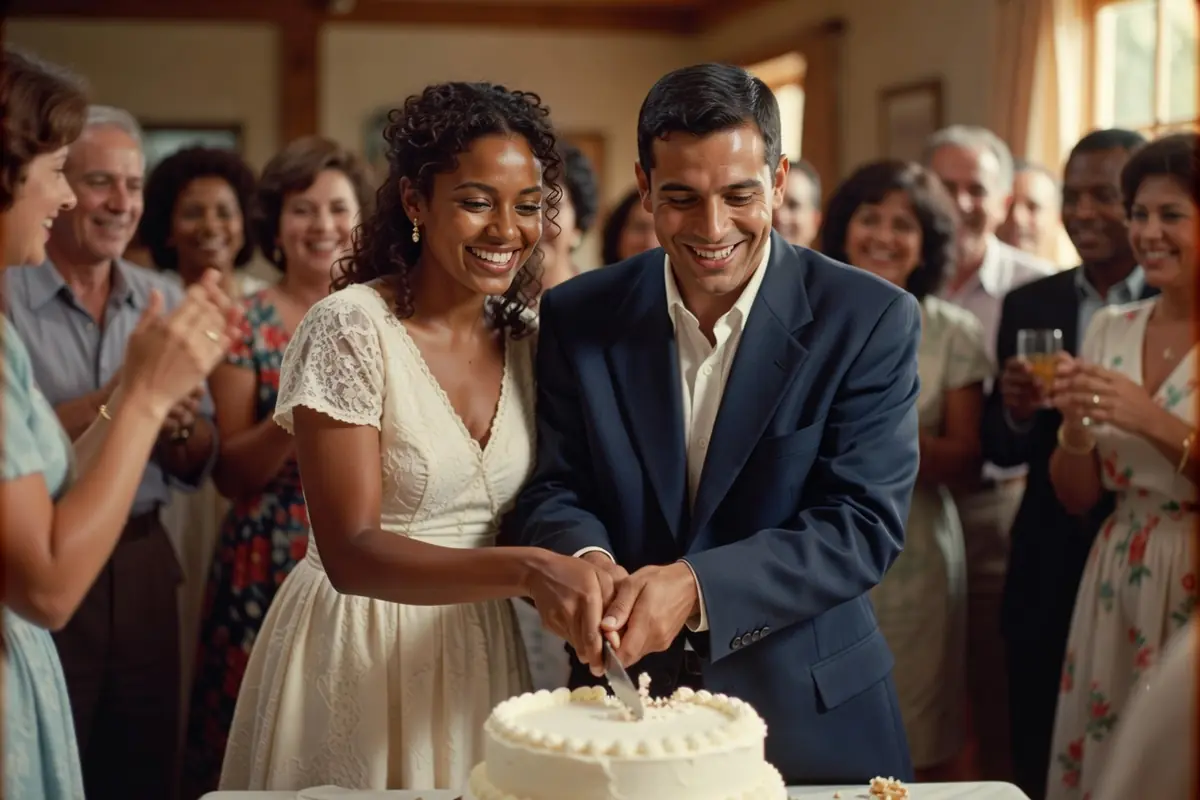
Drag to compare
See the Same Moment Two Ways
What Retro and Cinematic Styles Actually Look Like
Retro wedding video leans into the home-movie aesthetic: visible grain, occasional focus hunting, natural sound, and the slight shake of a camera being passed around. It feels like the VHS tapes couples dig out of their parents' closets. This look has come roaring back because it captures the day in a way that feels authentic and immediate.
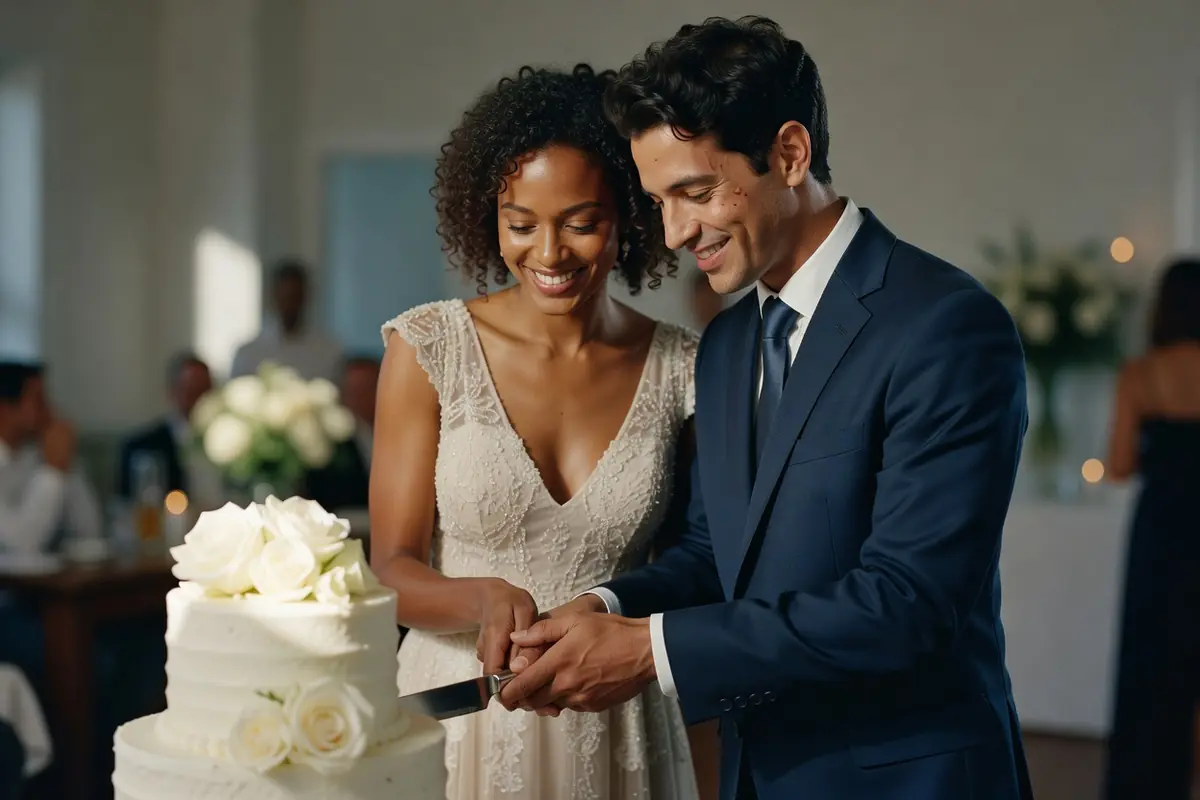
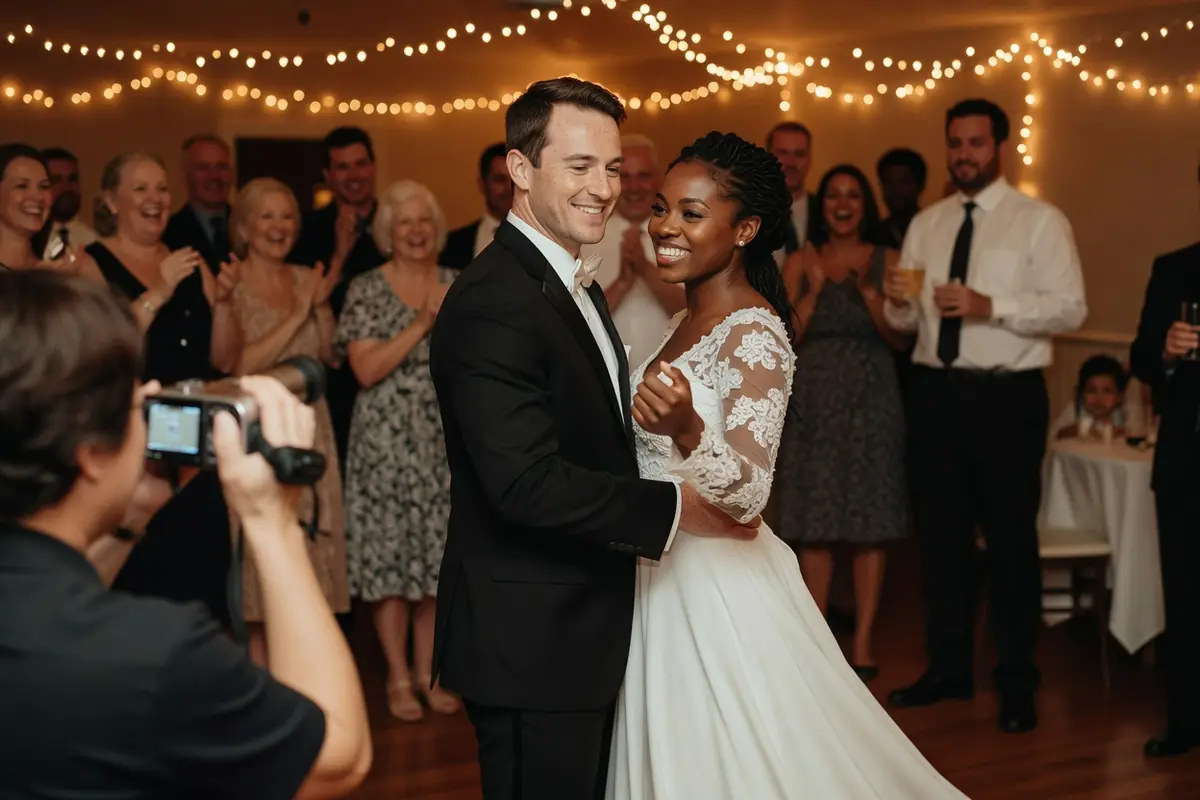
Cinematic slow-mo uses high frame rates, stabilized footage, color grading, and careful editing to create drama. Speeches get slowed so you see every expression. Dances become balletic. The trade-off is that it can feel distant from the actual energy in the room. Many couples choose to combine both: the polished film for the big moments and the camcorder tape for everything else.
Moments That Shine in Retro Home-Video Texture
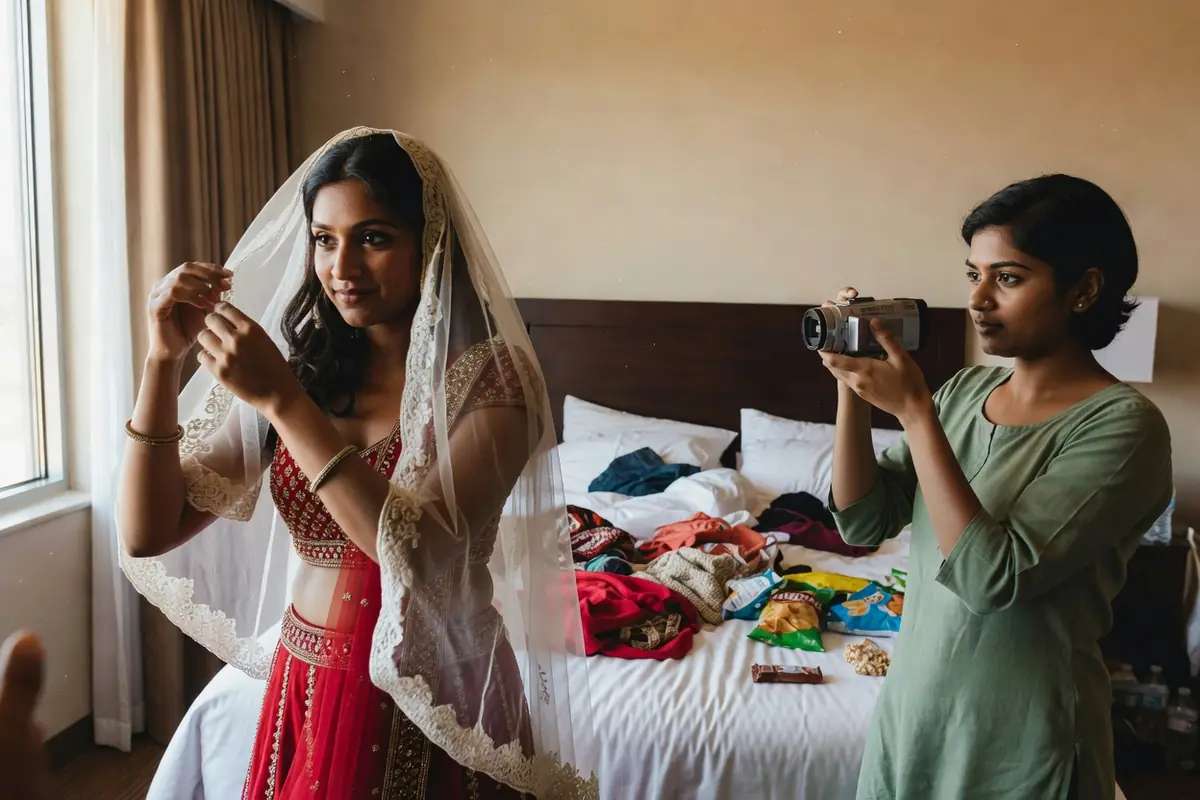
Retro footage excels when authenticity matters more than perfection. Getting-ready chaos, cocktail-hour interviews, dance-floor meltdown moments, and grandparents telling stories all feel more alive with the home-video look. The slight imperfections remind you that real people were there living it. For example, when an outgoing bridesmaid grabs the camcorder and interviews guests about their best marriage advice, the wobbly framing and natural laughter create a time capsule no polished edit can match. Same with the chaotic conga line or the moment your flower girl decides to spin until she falls down. These are the clips people rewatch years later.
The camcorder can travel with the wedding party during morning preparations to catch the nervous excitement as ties are straightened and bouquets gathered. During cocktail hour, encouraging guests to speak directly to the camera creates heartfelt messages. A practical script is to start with your name then ask 'What is one piece of advice you would give the couple?' or 'Share a favorite memory of how you met them.' On the dance floor it catches spontaneous group dances and funny moves that posed photography might miss. These exact tactics come from Wedding Weekender founder Anne Marie Carroll.
When Cinematic Slow Motion Serves the Story Best
Slow motion earns its place during emotionally loaded moments where you want the audience to linger. The vow exchange, the first look, the parent-child dance, and the final send-off all gain weight when time stretches. The hyper-produced look works when the goal is to make viewers feel the gravity of the commitment. By slowing these key scenes, the editor can draw attention to small details like the exchange of rings or the tears in a parent's eyes during a special dance. This technique adds a layer of artistry that complements the raw footage from other parts of the day.
That said, too much slow motion can make an entire film feel samey. In our view the best cinematic wedding videos use the technique sparingly and let real-time footage carry the rest of the story. Otherwise the drama loses its punch.
Head-to-Head: Retro vs Cinematic Wedding Video
| Aspect | Retro Home Video | Cinematic Slow-Mo |
|---|---|---|
| Best for | Candid interviews, getting ready, dance floor chaos | Vows, first dance, dramatic exits |
| Emotional feel | Nostalgic, immediate, like you were in the room | Sweeping, romantic, like a film |
| Sound | Natural room audio, sometimes messy | Carefully mixed score and clean audio |
| Rewatch value in 20 years | High. Feels like a true time capsule | High if done sparingly |
| Typical cost range | Starts at $449 with our Keepsake package | Average $2,300 according to The Knot |
| Who films | Wedding party and guests | Professionals with high-end gear |
Practical Tips for Capturing Strong Retro Footage
If you go the retro route, success comes down to preparation. Assign a few wedding-party members to capture specific moments. Pick an outgoing bridesmaid or groomsman to interview guests at cocktail hour. Leave the camcorder near the guest book so people can record video messages. These exact tactics come from Wedding Weekender founder Anne Marie Carroll, whose business brought in $1.7M in sales in a year (https://www.cnbc.com/2026/04/22/29-year-olds-wedding-camcorder-business-brought-in-1point7m-in-sales-in-a-year.html).
Our Keepsake package starts at $449. We ship the camcorder, the Instax Mini instant camera (with film) and the photo album together in one box. The couple keeps the photo album and every instant print. Both cameras (camcorder and Instax) go back in that same box with the prepaid return label. The footage is edited into a finished wedding film. You can add extra camcorders. A $100 deposit holds a date.
Source: The Knot 2026 Real Weddings Study (https://www.theknot.com/content/average-wedding-cost) and company pricing pages
Blending Retro and Cinematic Without Creating Chaos
You do not have to pick one look for the entire day. Many couples hire a cinematic videographer for key coverage and add a camcorder kit for the authentic layer. The two styles complement each other when edited thoughtfully. The slow-mo pieces become the emotional peaks while the retro clips become the connective tissue that shows how the day actually felt. For example, have the professional crew capture the ceremony in cinematic quality while the camcorder is passed among guests for their unfiltered reactions and toasts. A decision rule: assign cinematic to moments that benefit from dramatic pacing such as vows and use retro for interactive parts such as cocktail hour and dancing.
Check our guide on using a camcorder alongside your videographer (/how-it-works) for specific ways to make this work. Pairing the camcorder with our shot list (/shot-list) helps friends know exactly which moments to grab in that fun, imperfect style.
The goal is a film that feels like your actual wedding, not like every other wedding on TikTok.
Budget Realities and Where Video Fits
The Knot's 2026 Real Weddings Study of 10,474 couples shows the average videographer costs $2,300 while the average wedding runs $34,000. Twenty-five percent of couples spent $12,000 or less. For those couples, a camcorder kit starting at $449 can deliver a finished film without consuming a huge slice of budget.
Compare that to traditional videography or the higher-priced camcorder rentals like Wedding Weekender's core package at $729 (1 camcorder for a week, 3-5 min edited video), which does not include an instant camera. See the full breakdown on our /compare page.
Choosing the Right Look for Your Actual Day
Walk through your timeline and tag each moment as 'raw memory' or 'cinematic peak.' Getting ready, most of cocktail hour, and late-night dancing usually land in the raw category. Ceremony vows, first dance, and exit photos usually land in the cinematic one. Once you see the split on paper, the equipment decision becomes obvious. For example, if your timeline shows mostly raw moments then prioritize the retro camcorder approach and use the shot list (/shot-list) to guide friends on what to capture.
If most of your must-have moments are raw, start with the Keepsake package. If you want both, consider adding a cinematic editor after you receive the raw footage. Either path beats having a film that does not feel like your wedding.
Final Thought: Texture Over Trends
The retro versus cinematic wedding video debate only matters if it leads to a film you actually watch. In our view the home-video texture ages well and feels like real life. The smartest films use both styles at the right times. Shoot the messy, wonderful reality with camcorders. Let the editor decide which pieces get the slow-motion treatment. That balance gives you a wedding movie that feels like your day instead of someone else's vision.
For more on this aesthetic, see our /how-it-works page or /faq. And if you are still mapping out the weekend, our /shot-list helps you plan when to hand off the cameras.
Questions couples ask
Is retro wedding video the same as documentary style?
How much does a cinematic wedding videographer cost in 2026?
Can you combine retro and cinematic styles in one wedding film?
What exactly comes in a camcorder kit for retro footage?
Does retro video look cheap compared to cinematic?
Keep reading