How to Convert Your Parents' VHS Wedding Tape to Digital
Learn how to convert VHS wedding tape to digital with practical steps and expert tips. Discover what your parents' old footage teaches about steady handheld wedding video, optical zoom, and authentic filming for your own day.
In this article
- Why Digitizing Your Parents' Tape Matters in 2026
- What Your Parents' VHS Footage Typically Shows
- Two Practical Ways to Convert VHS to Digital
- Step-by-Step Conversion Process
- What the Old Tape Teaches About Filming Your Own Wedding
- Optical Zoom, Steady Shots, and Other Details That Still Matter
- Turning Nostalgia Into Your Own Wedding Film
- Choosing Professional Help Versus DIY
- Final Tips Before You Hit Play
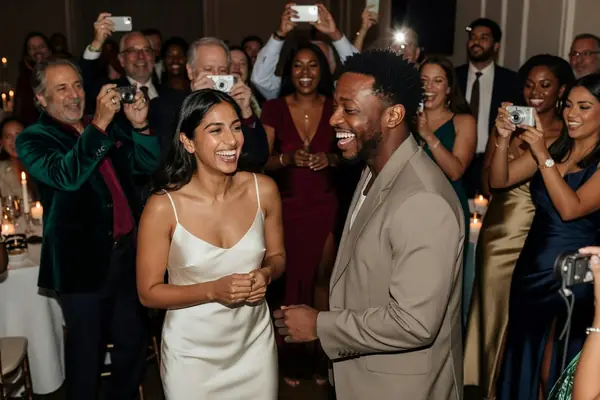
That box in your parents' basement holds more than faded memories. It holds a time capsule of how weddings actually felt before everything got polished into slow-motion perfection. Converting your VHS wedding tape to digital is worth doing not just to preserve it, but because those old clips quietly teach the best way to film a wedding today. The steady pans, the long optical zooms, and the unscripted guest interviews all add up to footage that feels alive. And right now, that aesthetic is back.
According to Vogue, Gen Z and younger millennial couples are turning away from hyper-produced videos. Some skip traditional videography entirely, others add camcorders alongside their team. Your parents' tape proves why. It shows real laughter instead of choreographed moments. In our view, that's the standard worth chasing. This guide walks through exactly how to convert VHS wedding tape to digital, what to look for once you hit play, and how those lessons translate to filming your own wedding with a camcorder. No guesswork, just concrete steps.
Why Digitizing Your Parents' Tape Matters in 2026
VHS tapes degrade over time. Magnetic particles lose charge. Heat, humidity, and simple age can turn precious footage into unwatchable snow. Converting to digital creates a stable file you can store, share, and edit. But there's a deeper reason. Those tapes are the original guest-filmed wedding videos. They show what happens when friends and family pick up a camcorder with no pressure to be perfect. The result is often more rewatchable than many modern highlight reels. Digitizing the tape also lets you watch it on any device without hunting for old equipment, and you can trim favorite segments to share at family gatherings or add to a photo book.
The average wedding in the 2026 Real Weddings Study cost $34,000 with videographers averaging $2,300. Yet 25% of couples spent $12,000 or less on their entire day. A shipped camcorder kit offers an affordable way to get that same authentic footage your parents' tape contains. For more on where video fits in today's budgets, see packages.
What Your Parents' VHS Footage Typically Shows
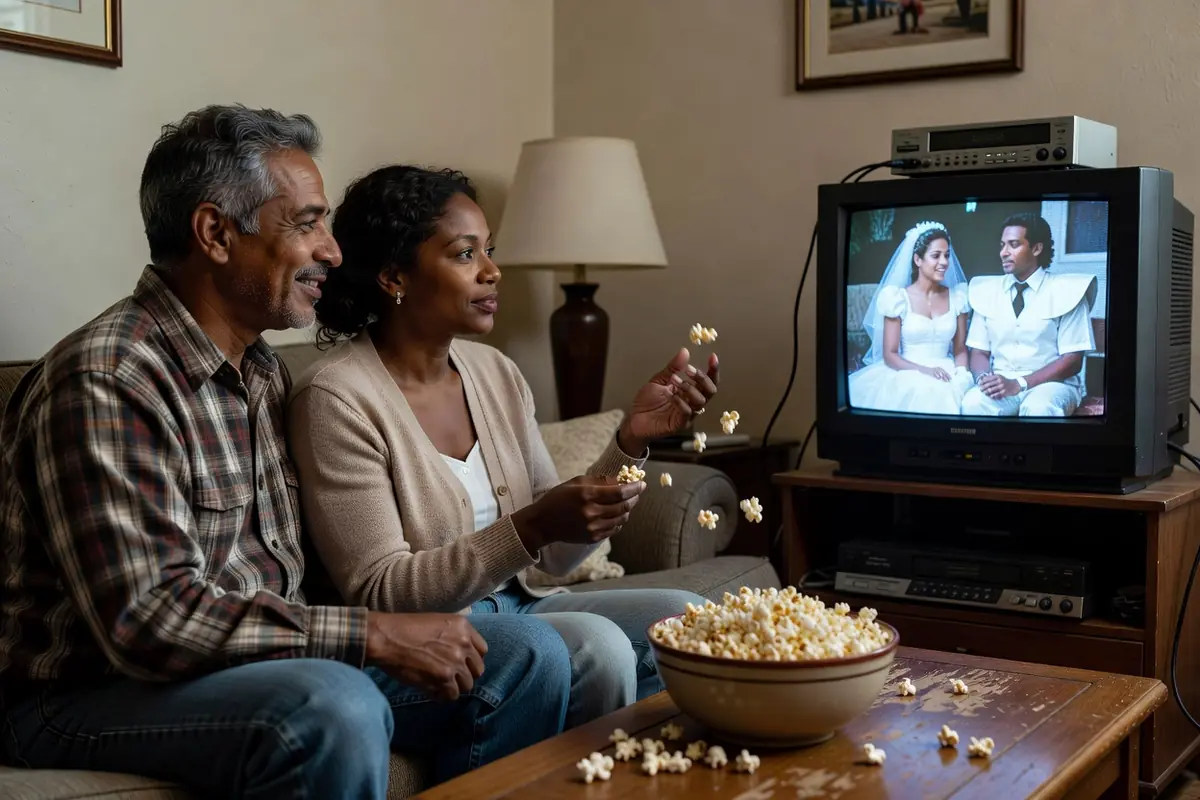
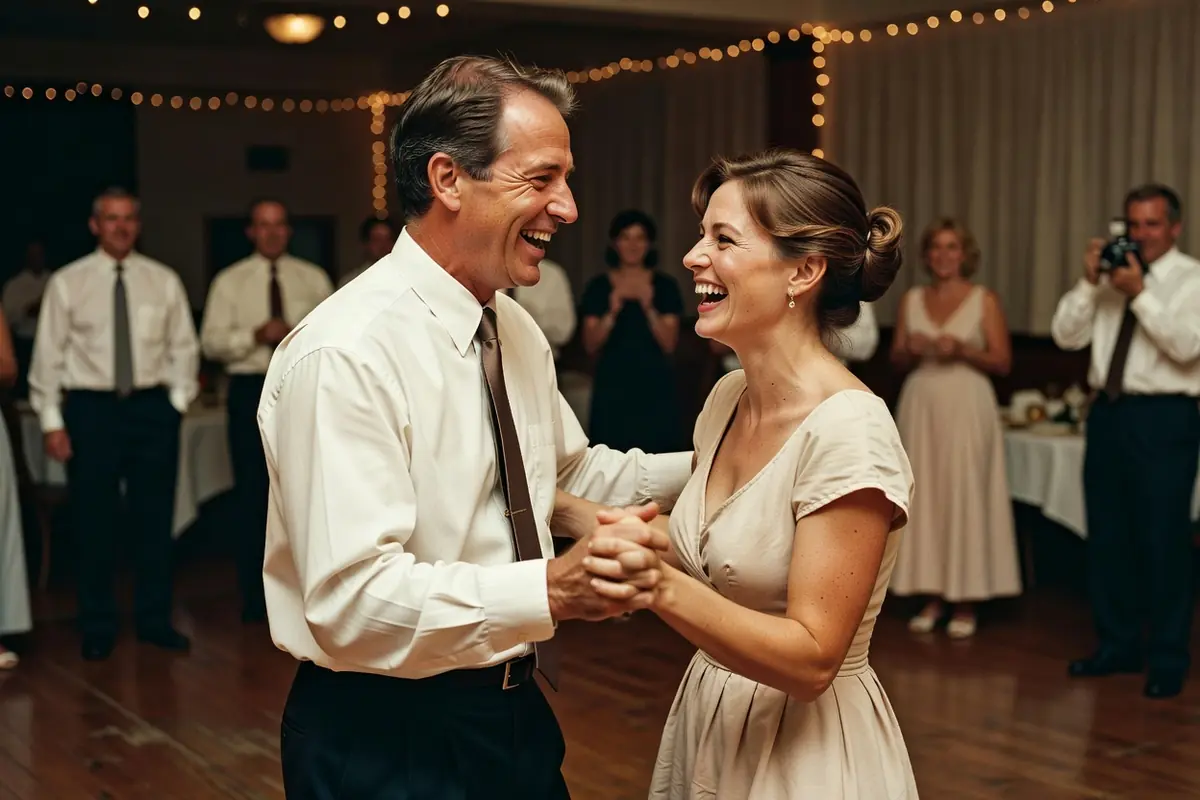
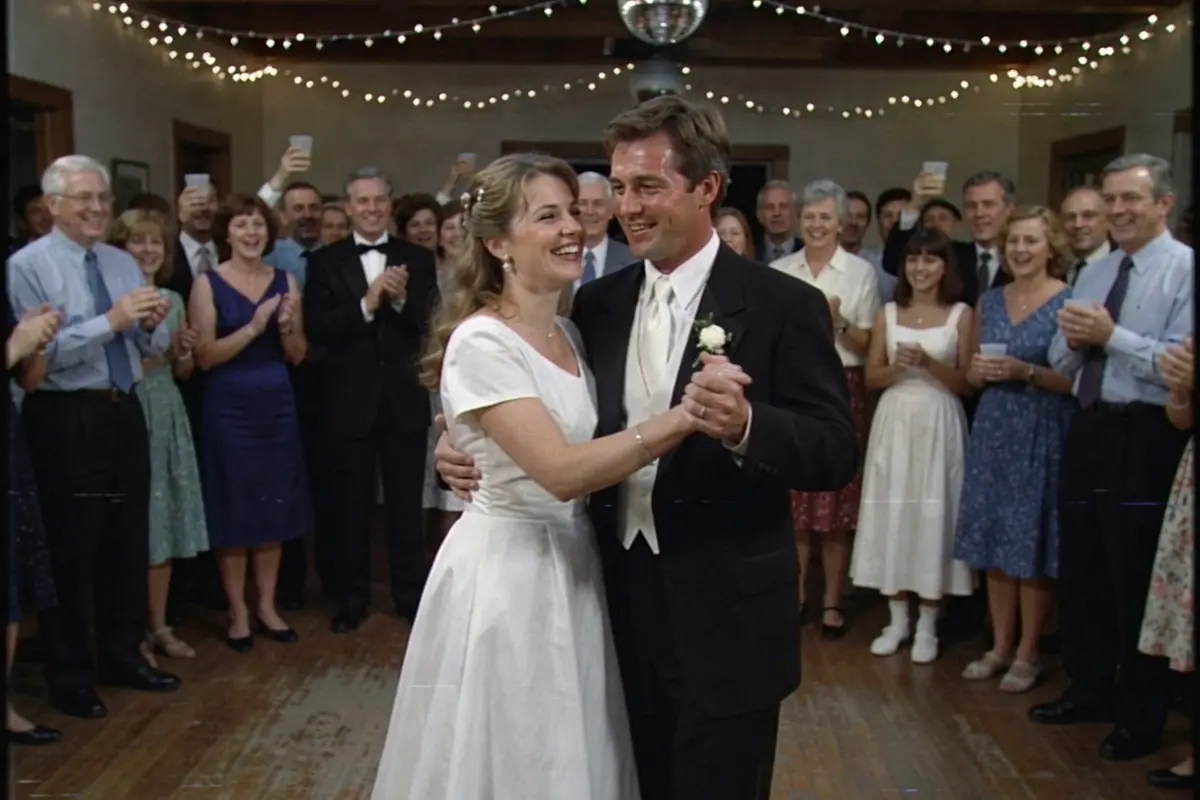
Play the tape and you will probably see steady handheld wedding video. Someone braced their elbows against their ribs and followed the couple like a documentary crew. By keeping movements smooth and intentional, the footage avoids the nausea-inducing shake that can come from walking while filming. Instead, the operator can pan slowly across the scene to capture the full atmosphere from the decorated tables to the smiling faces of friends and family. You will see generous use of optical zoom instead of someone walking up the aisle with a phone. The colors may have shifted slightly with age, but the emotion is unmistakable. Guests wave at the camera. Kids run through the reception. The best man forgets to speak into the microphone and everyone laughs anyway. This is the 90s and Y2K wedding aesthetic that feels surprisingly fresh now. See how it works.
Old tapes prove that imperfect footage watched with the right people beats perfect footage watched alone.
Two Practical Ways to Convert VHS to Digital
Professional services handle the hardware and often include basic cleanup. You ship the tape, they capture it on calibrated equipment, and return both the original and a digital file. This is the safer route for irreplaceable family history. DIY requires a working VCR, a video capture device that converts analog to digital via USB, and software to record the output. Both methods require playing the tape in real time. There is no fast-forward trick that preserves quality. Whichever path you choose, make a backup of the digital file immediately. Store copies in at least two locations including the cloud. The FAQ has additional suggestions for protecting important files.
Tap to reveal
Click-to-Reveal: Filming Tips Hidden in Every Old Wedding Tape
How did they keep the camera steady?
Why does the zoom look so smooth?
How did they capture natural guest interviews?
Step-by-Step Conversion Process
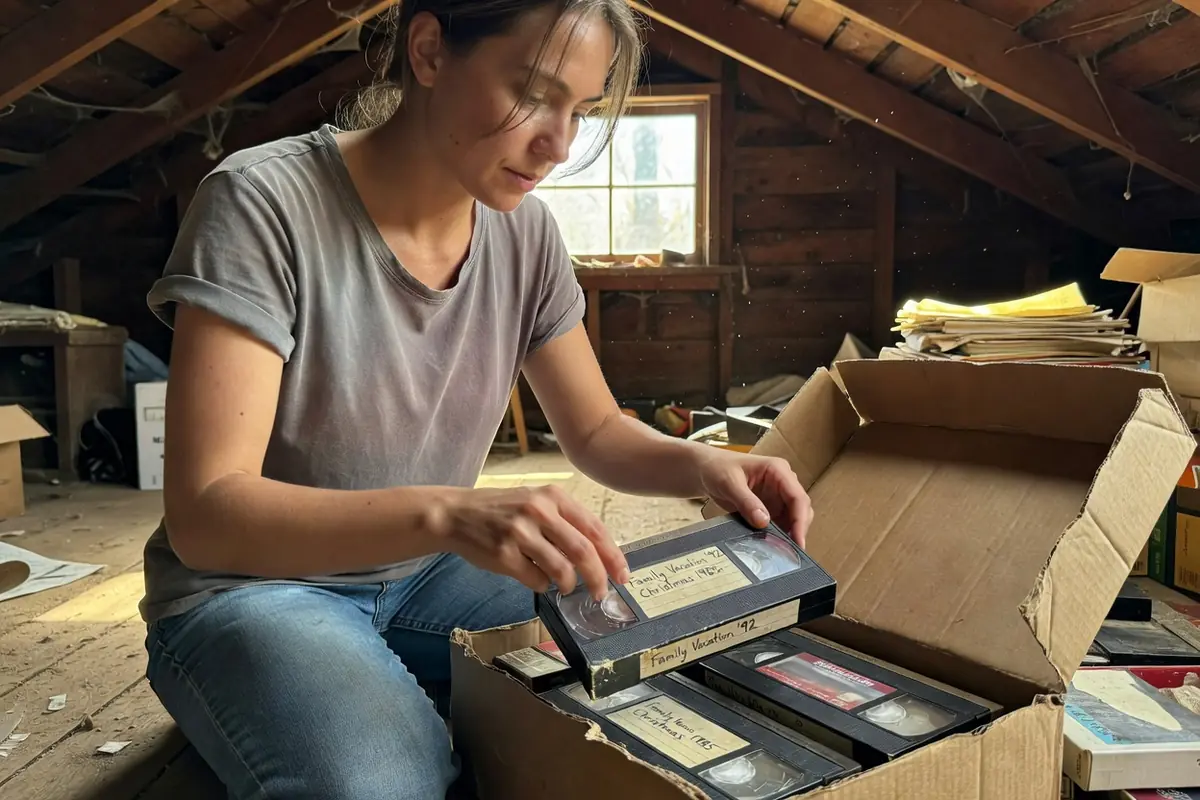
Start by inspecting the tape for visible damage such as cracks, mold, or tangled tape. If it looks okay, the next decision is DIY versus professional. Decision rule: Choose professional if this is the only copy of a parent or grandparent's wedding or if the tape shows signs of damage. For the DIY route, connect the VCR's yellow, white, and red outputs to a capture device plugged into a computer. Open recording software, press play on the VCR, and record the output. Label the file clearly with names and date, then export in a high quality MP4 format. Professional services simplify this but cost more upfront. Either way, watch the digitized version as soon as you receive it. Take notes on what shots feel timeless. For example, mark down 'smooth zoom on first kiss at 12:45' or 'grandma's toast laughter at 35:20'. Those notes become your blueprint for your own wedding video. Pay attention to how the operators framed their shots from a distance to respect the scene while still capturing intimate reactions.
Drag to compare
Phone vs Camcorder: What Old Tapes Prove


What the Old Tape Teaches About Filming Your Own Wedding
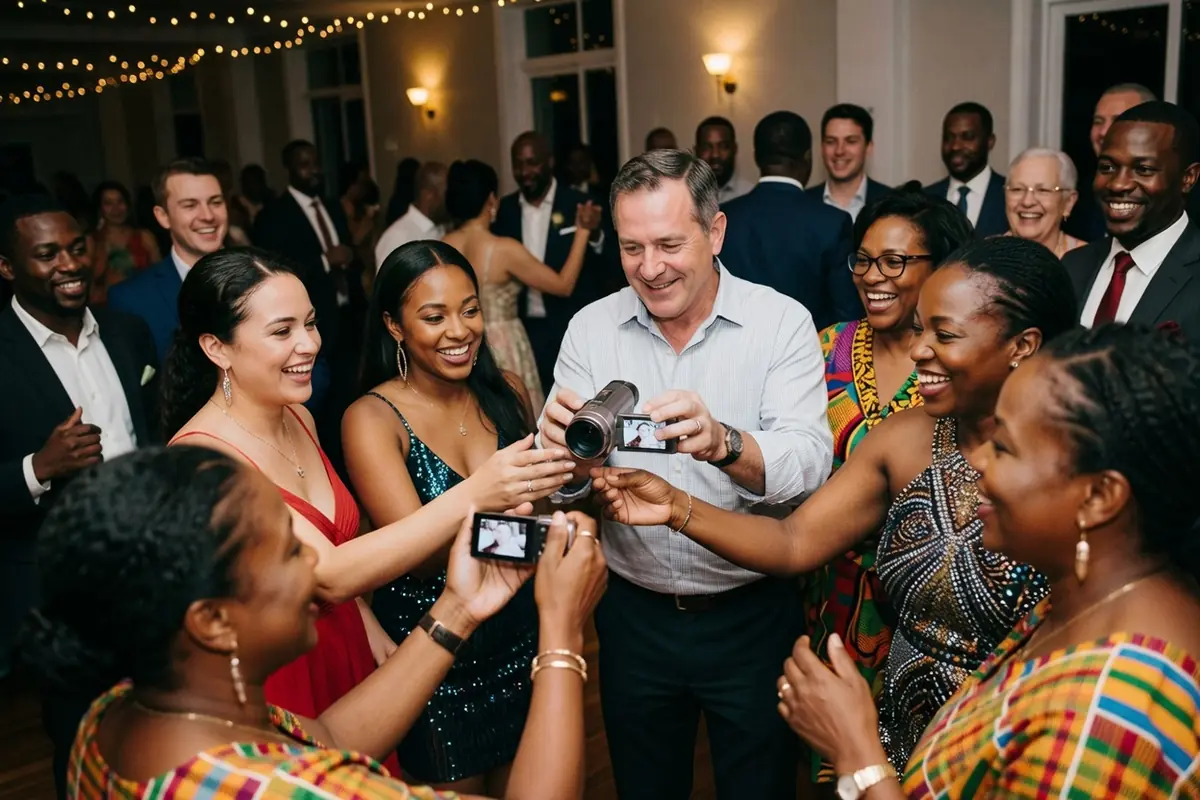
The biggest lesson is that the best operators know the couple. CNBC interviewed the founder of Wedding Weekender, who recommends assigning a few wedding-party members specific moments, picking an outgoing bridesmaid or groomsman to interview guests at cocktail hour, and leaving the camcorder near the guest book for video messages. These tactics appear on almost every old VHS tape. They work because the person holding the camera cares. See the shot list for ideas.
Another lesson is restraint with movement. The smoothest clips come from operators who plant their feet and pivot at the waist. Rapid pans look dizzying on a big TV. Your parents' tape will show which moments were filmed patiently and which were not. Use that as a guide. Think about how a steady shot of a quiet conversation between grandparents can carry as much emotion as any fast-paced sequence. Decision rule: When reviewing the tape, flag any shot that causes discomfort when played back and avoid repeating that camera motion at your wedding. Review the shot list before handing out any camcorders.
Optical Zoom, Steady Shots, and Other Details That Still Matter
Compact camcorders often feature 30x optical zoom. That range lets you capture a wide establishing shot of the ceremony site and then zoom smoothly to the couple's faces without stepping on the photographer's toes. Digital zoom cannot do this cleanly. The old tapes prove it. You will also notice that the most emotional clips were filmed from a respectful distance with the zoom rather than from right up front. This creates a sense of observation that feels natural and warm. Packages start at $449.
| Element | Seen on Most VHS Tapes | How to Use It Today |
|---|---|---|
| Zoom style | Long, smooth optical zooms | Choose camcorders with at least 30x optical zoom |
| Camera movement | Steady handheld with elbows tucked | Train friends to move from the hips, not just arms |
| Operator choice | Outgoing friends who know the couple | Assign specific people using the shot list at /shot-list |
| Interview style | Casual conversations at cocktail hour | Leave camera near guest book for video messages |
Turning Nostalgia Into Your Own Wedding Film
Once you have the digitized file, watch it with your partner before planning your own video. Notice which parts still make you laugh or tear up decades later. Those are the moments worth recreating. Many couples now rent camcorders to get similar raw footage without the price of a full videography team. Packages start at $449 (the Keepsake). We ship the camcorder, the Instax Mini instant camera (with film) and the photo album together in one box. The couple keeps the photo album and every instant print. Both cameras (camcorder and Instax) go back in that same box with the prepaid return label. We edit the footage into a finished wedding film. You can add extra camcorders. A $100 deposit holds a date. View packages.
For example, Wedding Weekender's core package is $729 for 1 camcorder for a week and a 3-5 minute edited video. The deluxe is $989 for 2 camcorders and a 5-7 minute video. Their top package lists at $1,249. Their packages don't include an instant camera. For a full side-by-side, see compare. See how it works for more details.
Drag to compare
VHS Original vs Digitized
Choosing Professional Help Versus DIY
If the tape contains the only recording of a deceased parent or a beloved venue that no longer exists, spend the money on a professional service. The peace of mind is worth it. For less critical tapes, DIY can be rewarding. Either way, once digitized, think about how you want to use the footage. Some couples edit a short highlight to play at their own rehearsal dinner. Others simply archive it so future generations can watch. The important part is that the file exists in a modern format. Consider creating a simple playlist of favorite clips organized by event such as ceremony, toasts, and dancing so it is easy for family members to find the parts they love most. For more on creating keepsakes that actually get reopened, read the FAQ.
Final Tips Before You Hit Play
Clean the VCR heads before playback. Watch the entire tape once you start converting so you do not miss anything. Take notes on shots you love. Those notes become your shot list when you plan your own day. The VHS trend is not about dressing like it is 1999. It is about remembering that weddings are best captured by people who love you. Invite family members to watch the digitized tape together and discuss what they remember from the day. This can spark meaningful conversations and help you decide which elements to recreate. You might realize that the unscripted laughter during toasts or the way guests interacted with the camera adds a layer of joy that no scripted shot can match. The FAQ offers more ideas on turning old footage into lasting traditions.
Questions couples ask
What is the easiest way to convert VHS wedding tape to digital?
Does converting old VHS tapes improve the quality?
What can old wedding VHS teach about filming today?
Is it worth converting a damaged VHS wedding tape?
How does this relate to current camcorder rentals?
Keep reading